

Which country buys most Teslas? The surprising answer revealed.
Did you know Tesla is the most searched vehicle brand in 39 countries? This shows how Tesla has caught the world’s attention.
I often think about the sales data behind these searches. It’s amazing to see how one brand can lead conversations in so many places.
Many people ask, Which country buys most Teslas? The answer might seem clear, but the truth is more complex than search trends show.
In this article, we’ll dive into Tesla’s global reach. We’ll look beyond the hype to find out where Teslas really end up.
Key Takeaways
- Tesla leads global search interest in 39 different nations.
- Digital popularity does not always align perfectly with actual sales volume.
- Market dynamics vary significantly between North America, Europe, and Asia.
- Government incentives play a massive role in regional adoption rates.
- I will analyze the specific data points that define current ownership trends.
Introduction to Tesla’s Global Sales
I’ve seen Tesla grow into a leader in electric cars. It moved from a small maker to a big player worldwide. This shows that electric cars are popular everywhere, not just in some places.
Overview of Tesla’s Market Presence
Tesla has won fans all over the world. It’s loved in the US and in places that care about the environment. The brand is strong everywhere, even when money issues pop up.
Its focus on new ideas and design keeps it ahead. Tesla has fans on every continent. This shows it can meet different needs around the world.
Importance of Global Sales Data
Knowing where Tesla sells the most is key to seeing its future. This data is important for the whole electric car world. It tells us if we’re moving towards cleaner energy.
Looking at these numbers helps me see which places are leading in electric cars. It shows how Tesla grows in different places with different rules. This helps us understand how Tesla stays ahead in a busy market.
Tesla’s Leading Markets
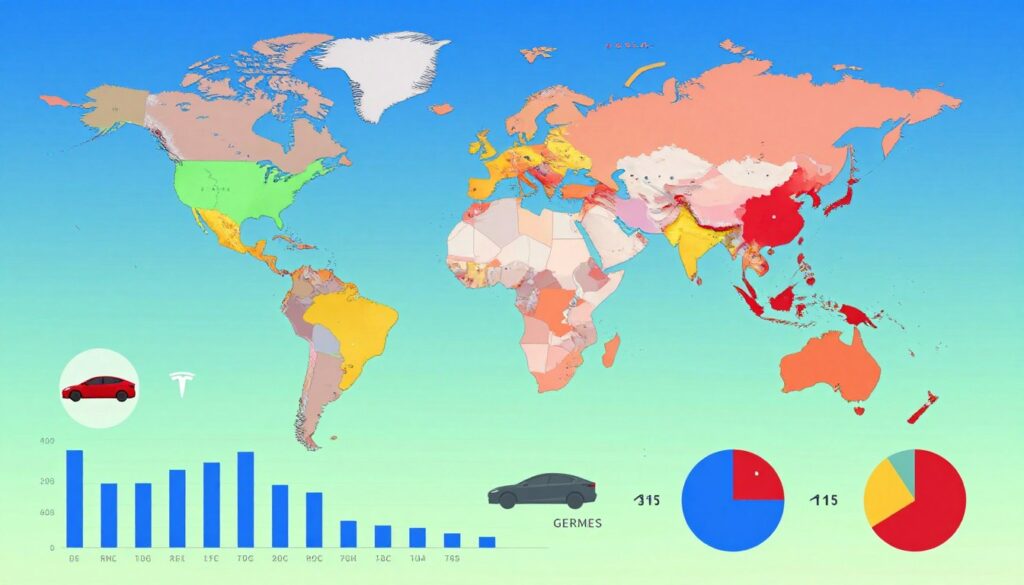
My research into Tesla car sales by country shows a battle between the U.S., Europe, and China. To find out which country buys the most Teslas, I look at each area’s economy and culture. These places have the highest Tesla sales worldwide, but they face different market challenges.
United States: The Home of Tesla
The U.S. is Tesla’s spiritual and operational center. I found that Tesla is the most searched car brand in 25 U.S. states. This shows its strong Tesla market trends by country. The brand’s success here is thanks to a wide charging network and loyal customers who see Tesla as a tech leader.
“The transition to electric mobility is no longer a niche movement; it is a global shift driven by consumer demand and infrastructure investment.”
Europe: A Growing Contender
Europe is a key area for Tesla. Despite local competition, it’s among the top countries purchasing Tesla cars. Europeans value sustainability and efficiency, matching Tesla’s goals.
- Strong government support for green energy.
- High density of charging stations in urban centers.
- Increasing consumer preference for premium electric sedans.
China: The Market Surge
China is a huge chance and a challenge for Tesla. The Shanghai factory has greatly increased Tesla’s availability in the region. Electric vehicles are quickly becoming popular in Chinese cities, making Tesla a top choice.
Despite tough competition, Tesla keeps innovating to stay ahead. The competition between these three areas will shape the car industry’s future.
Factors Influencing Tesla Sales
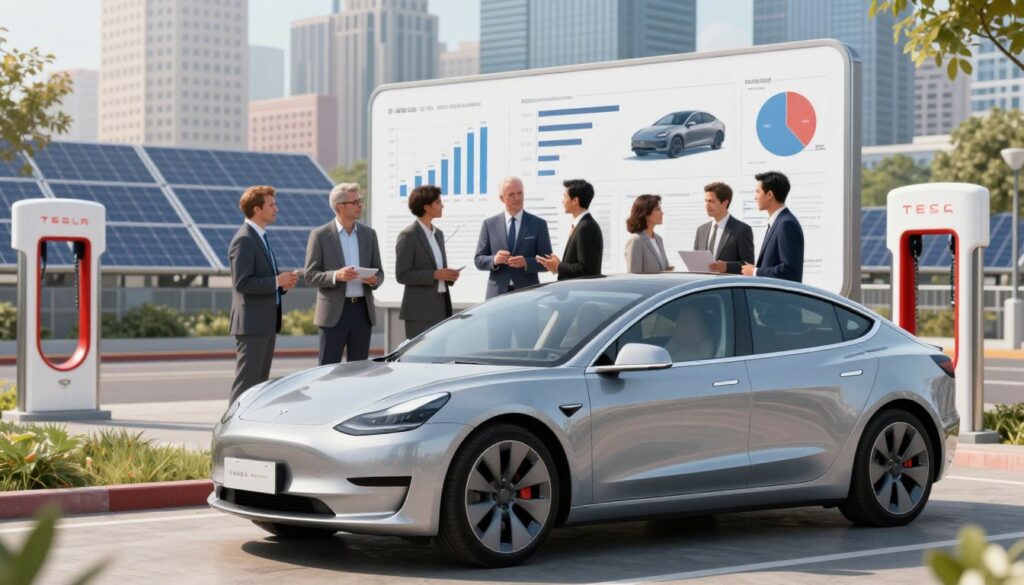
My study of the car industry shows three key factors boost Tesla’s popularity. Critics often ask why-are-people-not-buying-tesla-anymore. But, the data shows Tesla leads due to certain factors. These elements shape today’s car market.
Consumer Demand for Electric Vehicles
The world is moving toward green energy, changing how we buy cars. Buyers now look at environmental impact as much as performance and style. This shift is here to stay.
Tesla is the top choice for those wanting to cut their carbon footprint. It offers cutting-edge technology and luxury design. This appeals to those who value both status and the planet.
Government Incentives and Tax Breaks
Financial policies make electric cars more affordable. Tax credits in many places lower the cost of expensive cars. These incentives boost sales, helping buyers overcome the initial cost.
Strong subsidies lead to a big increase in sales. These programs help move us from gas to electric cars.
Charging Infrastructure Growth
Charging worries are a big concern for electric car owners. Tesla’s Supercharger network has been a game-changer. It makes long trips worry-free.
A reliable network is key for electric cars to gain traction. The table below shows how these factors help Tesla succeed.
| Factor | Primary Benefit | Impact Level |
|---|---|---|
| Consumer Demand | Brand Loyalty | High |
| Tax Incentives | Affordability | Medium |
| Charging Network | Convenience | High |
| Technological Edge | Performance | Medium |
The Role of Competition
Tesla is facing tough competition from both old brands and new players. The car world is changing fast, and no one company can rule the electric car market anymore. This change is good for us, as it pushes for better cars and more choices.
How Other Electric Vehicles Compare
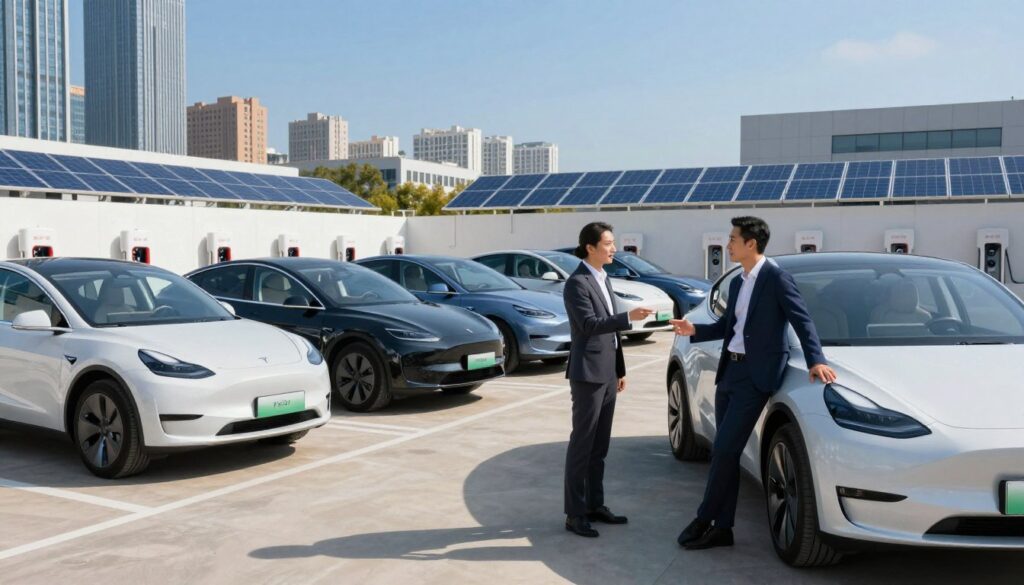
Chinese EV makers like BYD are making a big splash. In February, BYD sold 318,233 cars, while Tesla sold 30,688. This shows how fast new players can grow by being cheap and having many models.
Other electric cars are getting better too. They’re matching Tesla in software, battery range, and luxury. Tesla’s charging network is top, but rivals are catching up with better prices. It’s also important to think about how politics affects sales and how people see these new cars.
Traditional Automakers in the Tesla Market
Old car makers are now serious about electric cars. They’re spending billions to keep up. They use their big factories and lots of dealers to try and beat Tesla.
Here’s a table showing how different companies stack up:
| Manufacturer | Market Focus | Primary Advantage | Price Positioning |
|---|---|---|---|
| Tesla | Global/Premium | Charging Network | Mid-to-High |
| BYD | Mass Market | Vertical Integration | Budget-Friendly |
| Legacy Brands | Diverse/Global | Manufacturing Scale | Varied |
Competition is the engine of progress in electric cars. As companies fight for the top, we’ll see better batteries and cheaper cars. Keeping up with these changes is key for anyone interested in the future of cars.
Tesla’s Production Capacity
The heart of Tesla’s success lies in its Gigafactories. These massive facilities are key to meeting global demand. The cheapest Tesla models show that making lots of cars keeps prices low for everyone.
Gigafactories Around the World
Tesla has set up production sites worldwide to cut down on costs and speed up delivery. From California to Shanghai, Berlin, and Texas, each factory is essential. Their global presence helps them deal with different trade rules and keep their brand consistent.
These factories are more than just places to make cars. They are hubs of technological innovation. By making cars locally, Tesla can quickly meet demand changes. This approach is key to their success.
Production Challenges and Solutions
Scaling up production to hit targets is tough. Tesla faces issues like supply chain problems and complex automation. But, the company uses lessons from other projects to solve these challenges.
“Great things in business are never done by one person; they’re done by a team of people.”
The scale of these operations is amazing. For example, SpaceX’s work in Texas shows the engineering skills shared with Tesla. Tesla uses these logistical synergies to make its assembly lines better and avoid delays.
At the heart of Tesla’s success is its drive to keep getting better. Whether it’s improving robots or getting materials faster, the focus is on operational excellence. This dedication keeps Tesla leading in the car industry.
Consumer Preferences in the U.S.
In the U.S., Tesla is leading the way in user experience. People want more than just a car. They seek a connected ecosystem that fits into their fast-paced lives.

Market Trends for Electric Vehicles
The U.S. is moving toward electric vehicles fast. Buyers want family-oriented utility and customization. They need cars that meet their unique needs, like hauling sports gear or traveling with kids.
They also expect their cars to get better over time. This desire for continuous innovation drives sales today.
The Appeal of Tesla’s Brand and Technology
Tesla’s popularity comes from its focus on software convenience. Regular updates make every drive feel new. The Spring 2026 Update, for example, changed Dog Mode to Pet Mode to include all pet owners.
This attention to detail creates strong brand loyalty. It’s hard for others to match. Tesla listens to its users and adds thoughtful features, building a community, not just customers.
| Feature Category | Primary Benefit | Consumer Impact |
|---|---|---|
| Software Updates | Continuous Improvement | High Retention |
| Pet Mode | Inclusive Convenience | Enhanced Ownership |
| Charging Network | Seamless Travel | Reduced Range Anxiety |
| Autopilot Tech | Safety and Ease | Premium Experience |
Regional Variations in Tesla Sales
It’s interesting to see how Tesla ownership changes from city to countryside. The Tesla sales statistics by region show that not all parts of the United States adopt electric cars equally.
Urban vs. Rural Sales Trends
In big cities, electric cars are more common. This is because people don’t have to drive far and there are many charging spots. Home charging is easy, making electric cars a good choice.
In rural areas, things are different. The long drives and few charging spots make people think twice. But, as more charging spots are built, things are getting better.
“The future of transportation is electric, but the pace of that transition is dictated by the infrastructure we build today in every corner of our nation.”
State-Level Incentives Impacting Purchases
State policies play a big role in who buys electric cars. States with big tax breaks or rebates sell more Teslas. This makes electric cars more affordable for many families.
These incentives help more people buy electric cars. The table below shows how different states affect the market:
| Region Type | Primary Driver | Adoption Rate |
|---|---|---|
| Coastal Urban | High Incentives | Very High |
| Midwest Rural | Infrastructure Growth | Moderate |
| Southern Suburbs | Tax Rebates | Rising |
Looking at top countries purchasing Tesla cars is important. But, it’s also key to see how state policies help. By comparing Tesla car sales by country with state data, we see that local support is vital. The Tesla sales statistics by region show that good policies and infrastructure drive the electric car movement.
The Impact of Legislation
Legislative frameworks guide the global adoption of electric vehicles. When looking at Tesla sales statistics by region, it’s clear that laws play a big role. These laws decide if a new market grows fast or stays slow for green transport.
EV Policies in the United States
In the United States, federal tax credits boost demand. These credits make electric cars more affordable. State-level mandates also push for more electric vehicles.
States with big climate goals do better in Tesla sales statistics by region. These policies help invest in green infrastructure. Without them, moving to electric cars would slow down a lot.
International Regulations Affecting Sales
Going global means understanding local trade rules and safety standards. Countries set rules that affect Electric car use by country. These rules affect Tesla’s global supply chain and sales.
“Policy is the ultimate lever for change in the automotive sector; it can either pave the way for innovation or create insurmountable walls for new technology.”
The table below shows how rules shape markets and adoption:
| Region | Primary Policy Driver | Market Impact |
|---|---|---|
| North America | Federal Tax Credits | High Adoption |
| European Union | Emission Standards | Rapid Growth |
| Asia-Pacific | Subsidies & Infrastructure | Market Surge |
Tracking Tesla sales statistics by region shows success is not random. It’s the mix of new tech and good laws. As laws change, they’ll keep shaping the car world.
Future Predictions for Tesla Sales
Looking at Tesla, we see a mix of new ideas and big economic challenges. The company is at a key point where it must keep its promises to stay on top. It’s important to understand these factors for anyone following Tesla’s sales in May and later.
Upcoming Models and Innovations
Tesla is always pushing the limits in car technology, focusing on self-driving cars and new platforms. I think the key to growing sales will be making cars more affordable. Innovation is what keeps Tesla alive, and investors are eager to see if new cars will attract more people.
“The future of transportation is electric, and Tesla is uniquely positioned to lead this transition through relentless technological advancement.”
New car launches, better software, and battery improvements will keep Tesla interesting. These steps are vital for staying ahead of traditional car makers. Efficiency and range are what buyers care about most.
How Economic Factors May Affect Demand
The economy poses a big challenge for electric cars. High interest rates make big loans less appealing, hitting luxury cars hard. Also, rising costs of living make people think twice about spending on luxury items.
Tesla’s stock has dropped a third of its value under President Trump. This drop shows investors’ worries about sales and support from the government. Below, I’ve listed key economic factors that could affect demand.
| Economic Factor | Impact on Demand | Risk Level |
|---|---|---|
| Interest Rates | High impact on financing | High |
| Inflation | Reduced purchasing power | Medium |
| Market Competition | Price pressure | High |
| Regulatory Policy | Incentive fluctuations | Medium |
For Tesla to succeed, it must keep its loyal customers and stay flexible. The future is uncertain, but innovation and smart market moves will shape Tesla’s next steps. I’m cautious but hopeful about Tesla’s future.
Tesla’s Marketing Strategies
Tesla’s success is amazing, given it doesn’t spend on TV ads. Instead, it creates a unique ecosystem where owners become brand ambassadors. This approach keeps costs down and keeps the brand relevant.
Brand Loyalty and Customer Engagement
Tesla’s success is rooted in brand loyalty. Owners feel they’re part of a movement, not just customers. This connection is built through several key tactics:
- Referral Programs: Existing owners get rewards for sharing their positive experiences.
- Community Events: Owner gatherings strengthen the bond between Tesla and its users.
- Software Updates: Continuous improvements make the car feel new long after purchase.
By focusing on the ownership experience, Tesla turns customers into its best marketers. This approach is more sustainable than paid ads. It builds a passionate community that supports Tesla’s mission of sustainable energy.
Role of Social Media and Influencer Marketing
Tesla’s social media strategy is groundbreaking. It uses its leaders and fan content instead of celebrity endorsements. This approach is all about fast communication and direct public interaction.
The role of social media includes:
- Direct Communication: Updates, concerns, and new feature hype are shared on platforms like X (formerly Twitter).
- User-Generated Content: Owners share videos of Autopilot or FSD, providing real social proof.
- Influencer Synergy: Tech enthusiasts and reviewers offer honest feedback to their followers.
This digital-first approach keeps Tesla in the public eye. By avoiding traditional PR, Tesla stays authentic. This strategy keeps demand high without needing big marketing budgets.
Conclusion: The Landscape of Tesla Ownership
The car world is changing fast as more people choose electric vehicles. Tesla is leading this change. They meet the needs of drivers who want new and green cars.
Reflecting on Market Dynamics
In the US, China, and Europe, Tesla is the top choice. These places support Tesla with policies and love for new tech. Tesla stays ahead by making lots of cars and keeping its unique style.
Anticipating Industry Shifts
More companies will join the electric car race soon. They’ll focus on better batteries and self-driving cars. Keeping up with these changes shows why Tesla is a big deal. Stay tuned to see how electric cars will change in the future.
FAQ
Which country buys most Teslas currently?
The United States is the leading market, accounting for the highest volume of sales globally, followed by China and then Germany.
What are the top countries purchasing Tesla cars in Europe?
In Europe, the top countries purchasing Tesla cars include Germany, Norway, and France, where high government incentives and strong charging networks support adoption.
How can I track Tesla car sales by country?
I recommend looking at official quarterly delivery reports from Tesla and regional registration data from agencies like the CAAM in China or KBA in Germany for the most accurate Tesla car sales by country.
Where can I find the highest Tesla sales worldwide by model?
The Model Y currently holds the record for the highest Tesla sales worldwide, recently becoming one of the best-selling vehicles of any kind, electric or other, across the globe.
What are the current Tesla market trends by country?
I have observed that Tesla market trends by country show a shift toward the Model Y over the Model 3, with a growing emphasis on affordable leasing options in North America and aggressive pricing strategies in China.
Who are the leading Tesla buyers globally?
The leading Tesla buyers globally are typically tech-savvy consumers in high-income brackets, though the demographic is widening as used Tesla prices become more competitive and infrastructure improves.
Why is Tesla popularity across nations so high compared to other EVs?
Tesla’s popularity is driven by its integrated ecosystem, including the Supercharger network, and its reputation for industry-leading software and performance that traditional automakers are yet to match.
Where can I see Tesla sales statistics by region?
The most detailed Tesla sales statistics by region are often published by automotive research firms like JATO Dynamics or through Tesla’s own investor relations presentations which break down performance in North America, Europe, and Asia.

Hi! I’m Moheen Iftikhar, the founder of “CarZenithi.” I’m passionate about cars, modern automotive technology, and everything related to the driving experience. Through expert reviews, practical tips, and the latest industry insights, I aim to keep every car enthusiast informed, inspired, and connected to the world of automobiles.