

Is FBI using BMW now? Discover their latest vehicle choice
Did you know that federal agencies spend millions each year to upgrade their vehicles? They’re moving away from the usual SUVs you see on the streets. Instead, they’re choosing specialized, armored European models for their high-risk missions.
This change is a big move from what they used to have. By looking at their buying patterns, we can see why they’re making this switch. It’s not just about looking good; it’s about keeping their people safe and performing well in tough situations.
Why are federal agencies choosing these specific cars? It gives us a peek into what they really need today. Let’s dive into the technical and tactical reasons behind this big change in their gear.
Key Takeaways
- Federal agencies are diversifying their fleets beyond traditional domestic manufacturers.
- The shift focuses on integrating advanced armored technology for personnel safety.
- Procurement data suggests a need for higher performance in specialized tactical scenarios.
- European vehicle platforms offer unique engineering advantages for federal field operations.
- This transition reflects broader changes in how government agencies prioritize equipment durability.
Introduction to FBI Vehicle Choices
The FBI has always chosen vehicles with care. For years, their fleet has shown their commitment to security and success. This choice is more than just a way to get around; it’s a key part of their image.
Why do changes in the FBI’s vehicles get so much attention? It’s not just about getting from point A to point B. It’s about keeping up with the public’s trust in federal agents.
Overview of FBI’s Vehicle History
The FBI used big Chevrolet Suburbans for a long time. These vehicles were perfect for agents on the move. They had the space and toughness needed for the job.
These vehicles were reliable for years. But, with new car tech coming out, the FBI had to think about what’s best for them now.
Importance of Vehicle Selection
Choosing the right vehicle is key for the FBI. A good vehicle needs to be safe, reliable, and have the latest tech. It’s not just about speed.
Operational success depends on agents being able to move quietly but effectively. When looking for new vehicles, the FBI checks out the latest models. They want to make sure they meet their high standards.
Recent Trends in Law Enforcement Vehicles
Today, law enforcement vehicles are getting better at saving fuel and having smart tech. The FBI is updating their fleet to keep up with these changes. They want to stay ready for today’s security challenges.
Agencies everywhere are looking for vehicles that are versatile and powerful. By choosing newer, more agile cars, the FBI makes sure their agents are ready for anything.
The FBI’s Current Fleet
The FBI car fleet is changing. The agency is looking at new ways to keep its people safe. This change is because the world is getting more complex.
Types of Vehicles Used
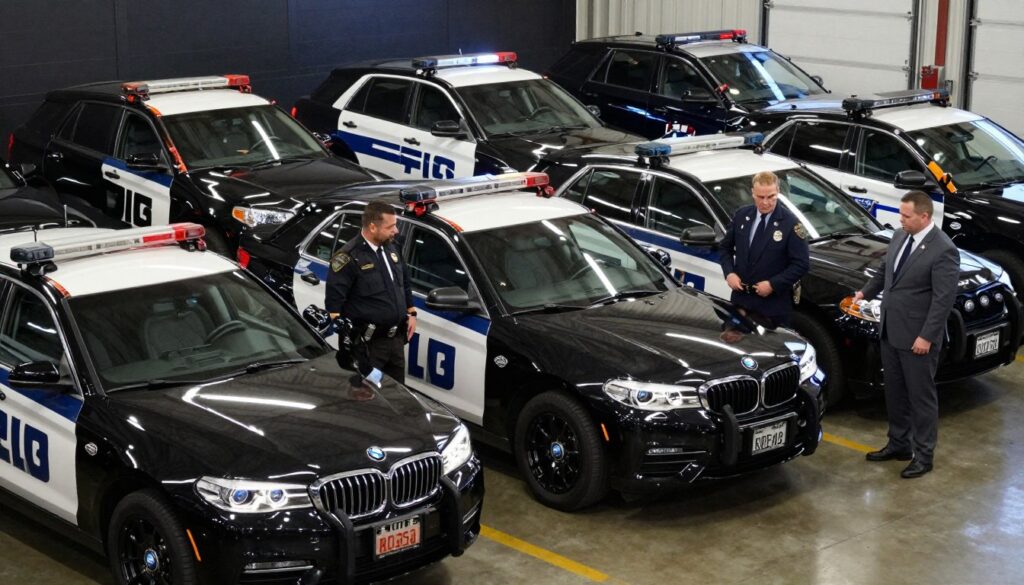
For years, the Chevrolet Suburban was key for the federal motorcade. It was big and reliable. But now, the FBI is adding armored BMW SUVs to its fleet.
“The shift in vehicle procurement reflects a broader strategy to balance traditional durability with the advanced performance capabilities required for modern tactical protection.”
The FBI wants vehicles that are better at handling and have new defensive tech. This change means agents have the right tools for their jobs.
Notable Brands in the Current Lineup
Domestic brands used to be the main choice. But now, European brands like BMW are also in the mix. Knowing about BMW helps us see why they’re chosen for important jobs. Here’s a table showing the main vehicles in use.
| Vehicle Category | Primary Brand | Key Advantage |
|---|---|---|
| Heavy Armored SUV | Chevrolet | High Payload Capacity |
| Tactical Protective SUV | BMW | Advanced Handling & Speed |
| Standard Utility | Ford | Operational Versatility |
Using these brands helps the FBI keep its motorcade flexible and ready. As the FBI car fleet grows, it will focus on safety, performance, and meeting law enforcement needs.
The Shift Towards BMW
Looking at the changing needs of federal agencies, BMW’s inclusion in their fleet is a smart choice. Many wonder, “Is FBI using BMW now?” to grasp how these vehicles aid in complex missions.
Why BMW?
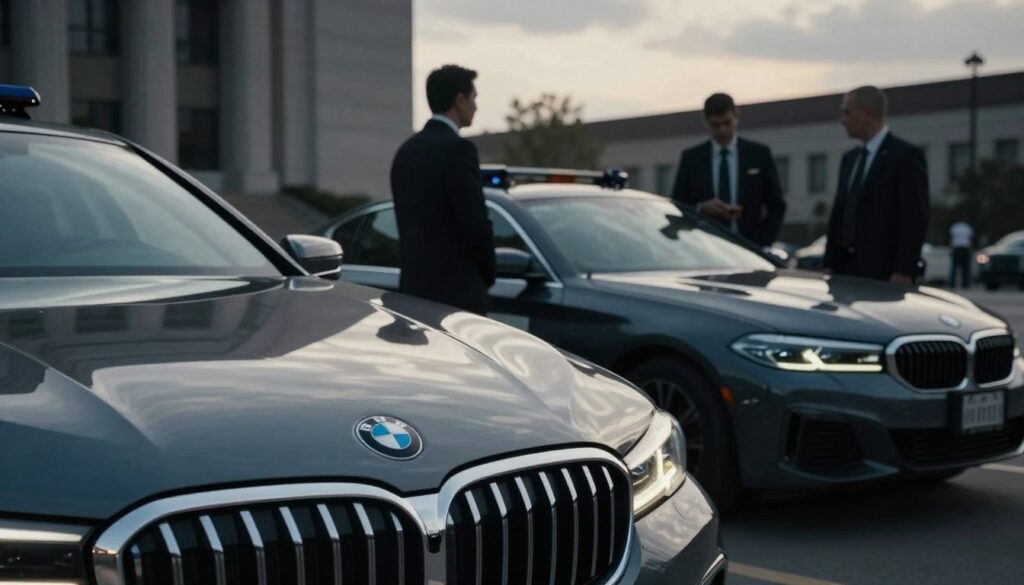
The choice to add these vehicles is based on their performance capabilities and tactical needs. The FBI values reliability and speed for high-risk operations. For those interested in the civilian versions, check out the best BMW used cars available in the United States.
“True performance in law enforcement is not just about speed; it is about the seamless integration of safety and agility in every maneuver.”
Performance and Features of BMW Vehicles
The BMW X5 Protection VR6 marks a big step in specialized transport. It’s a factory-built armored vehicle that meets global ballistic protection standards.
Key features include:
- Reinforced body structures for maximum durability.
- Ballistic glass integrated directly at the factory.
- Advanced suspension systems tuned for heavy-duty performance.
Comparison with Other Brands
I’ve compared these modern vehicles with traditional domestic ones. The table below shows why the bureau sees this as a practical upgrade for its missions.
| Feature | Traditional Platform | BMW X5 Protection |
|---|---|---|
| Armor Integration | Aftermarket | Factory-Built |
| Handling | Standard | High-Performance |
| Ballistic Rating | Variable | VR6 Certified |
The factory-integrated approach keeps the vehicle’s structure and handling intact. This engineering gives a clear edge over standard vehicles that need heavy mods for similar protection.
Recent Procurement of BMWs by the FBI
My research shows the FBI is now using high-performance vehicles. This change has caught a lot of attention. People are wondering how tax money is spent on government cars.
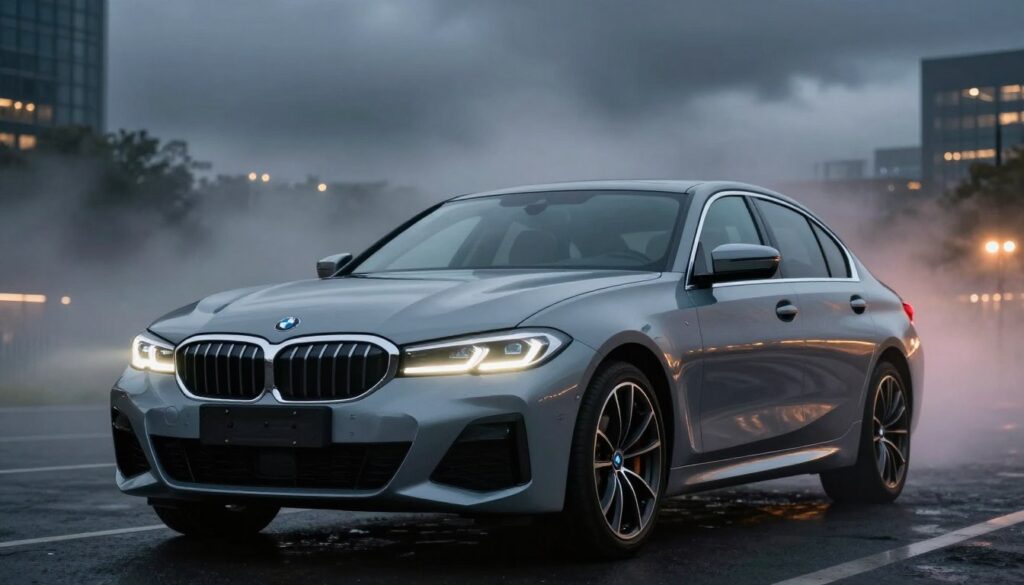
Announcement Details
The FBI hasn’t shared much about these new cars. They say it’s part of a routine fleet evaluation. This is to keep their operations up to date.
They haven’t made the contract details public. But they say these cars are chosen for their performance and safety. This is important for their work.
How Many Vehicles Were Purchased?
The exact number of cars bought is not known. But experts think they got the BMW X5 Protection VR6. These cars are made for safety.
These FBI BMW models are expensive. They cost between $200,000 and $300,000 each. This shows the FBI’s commitment to using the best technology.
Timeline of the Acquisition
The FBI has been adding these cars over time. This slow introduction lets them test the cars in different situations. Then, they will use them fully.
When these cars are in use, the FBI will take special care of them. You can find local dealers and service experts for these cars. This move is a big step for the FBI’s equipment.
Impact on FBI Operations
The latest FBI vehicle update shows a big focus on making operations more efficient. The agency needs to keep its fleet up to date for federal investigations and protecting people. By choosing versatile vehicles, agents can work well in many different places.
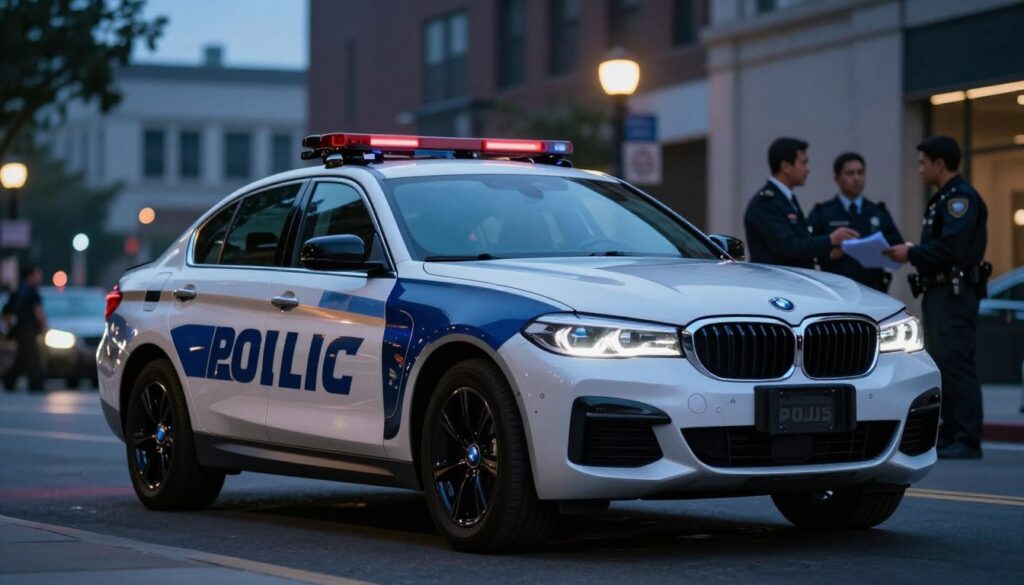
Enhancing Mobility and Speed
Switching to high-performance vehicles gives agents a big edge in urgent missions. These cars have superior acceleration and handling, which is key in busy cities or when facing threats quickly. The key features that boost daily mobility are:
- Advanced drivetrain technology for quick responses.
- Improved suspension systems for smooth rides on different roads.
- Enhanced braking for safety during fast moves.
Impact on Tactical Operations
The new vehicles also bring big benefits for tactical work. The BMW X5, for example, blends in better with regular traffic than big police SUVs. This low-profile aesthetic is key for sneaky moves where staying hidden is important.
By not drawing attention like usual police cars do, agents can do their jobs more secretly. This change helps keep high-ranking officials safer in public. Being able to move fast and stay hidden is a big win for today’s tactical work.
Public Response and Speculations
The choice of BMW police cars has sparked debate. Critics and supporters both have strong opinions. The move to a European luxury brand has raised questions about federal procurement.

Reactions from Law Enforcement Community
Law enforcement opinions are split on BMW vehicles. Some officers like their advanced engineering and reliability during chases.
But, others doubt if luxury brands fit federal missions. They worry about the look and function of these cars.
Public Perception of BMW’s Role
The public’s view is complex, focusing on using foreign vehicles. Many think federal agencies should choose American-made cars to help the economy.
This debate also brings up concerns about government spending. People wonder if the benefits of BMW police cars outweigh the cost of switching from American-made vehicles.
| Concern Category | Public Viewpoint | Professional Viewpoint |
|---|---|---|
| Manufacturing Origin | Preference for domestic | Focus on technical specs |
| Brand Perception | Luxury vs. Utility | Performance vs. Cost |
| Operational Impact | High maintenance fears | Enhanced tactical speed |
Advantages of Choosing BMW for Law Enforcement
The choice of BMW for the federal fleet is based on technical merits. The agency looks for vehicles that balance speed and reliability. All X5 SUVs, including armored ones, are made in Spartanburg, South Carolina.
This domestic production addresses concerns about foreign sourcing. It also ensures American workers help build these critical assets.
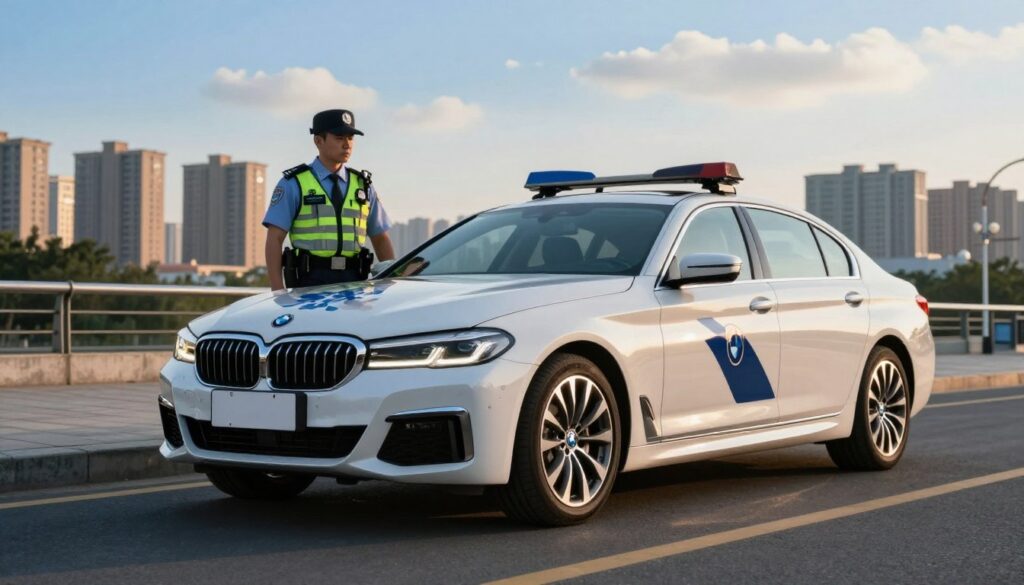
Safety Features
The structural integrity of these vehicles is key for law enforcement. They are made with high-strength steel and crumple zones. These features protect occupants in high-speed situations or crashes.
Advanced driver-assistance systems add more security. These systems help agents stay in control during chases. This reduces the chance of accidents. By choosing BMW, the agency gets top-notch protective technology.
Technology and Support
Law enforcement today needs fast connectivity and data processing. The BMW fleet has onboard systems for real-time communication. This keeps agents connected to command centers, even in tough situations.
The support for these vehicles is also top-notch. The manufacturer offers maintenance programs to keep the fleet ready. Relying on BMW means the agency has a strong supply chain. This is vital for keeping operations running smoothly across the country.
Previous Instances of BMW Usage in Law Enforcement
The FBI is not the first to see the value of BMWs for protection. The recent FBI’s switch from Suburbans to BMWs is just the latest example. This decision is based on years of success in other government areas.
Case Studies from Other Agencies
The U.S. State Department has used armored BMWs to protect diplomats in danger zones. These specialized platforms offer the security and privacy needed in risky places. This shows that the choice of vehicle is all about uncompromising reliability.
Effectiveness of Past Collaborations
Success in past uses has made agencies trust these high-performance BMWs for important missions. These BMW law enforcement vehicles have the protection and agility that regular SUVs lack. Ultimately, their proven track record gives them the edge for today’s tough protective tasks.
Challenges and Concerns
The real cost of law enforcement vehicles goes beyond the price tag. High-performance cars are tempting, but fiscal responsibility is key for federal agencies. They must think about the long-term impact on taxpayers.
Budgetary Considerations
Government spending on vehicles is complex and sometimes shocking. For example, a government-spec armored Chevrolet Suburban costs around $480,000. This is much more than a standard BMW, making it a tempting choice for those watching their budget.
But, looking at the total cost is more important than just the initial price. Even high-end vehicles like armored luxury BMWs come with a big price tag over time. Agencies need to balance costs and performance in their fleet management.
Maintenance and Support Issues
Keeping a specialized fleet running is a big challenge. Using unique vehicles can make it hard to find parts and skilled labor. Agencies must make sure service centers can handle these vehicles’ special needs.
Switching to new vehicles can also mean more downtime. This is because technicians need time to learn about the new cars. The table below shows the main financial and operational trade-offs in these decisions.
| Factor | Armored Suburban | Standard BMW |
|---|---|---|
| Initial Cost | High ($480k+) | Moderate |
| Maintenance | Specialized/Expensive | Brand-Specific |
| Operational Use | High-Risk/Tactical | General/Patrol |
| Parts Availability | Limited/Custom | Standardized |
Future Projections for FBI Vehicle Choices
I think the FBI car fleet will focus more on cars with built-in protection. This change is because missions and security needs are getting more complex. The FBI needs to rethink how it buys cars.
Choosing standard, high-performance cars is not just about luxury. It’s about being more efficient. By not custom-arming cars, the FBI can save money and keep safety levels the same for all cars.
Upcoming Vehicle Trends
More cars are coming with built-in armor. Instead of adding armor later, agencies are choosing cars made for protection. This makes cars lighter, easier to handle, and better for electronics.
This change has big benefits. Yet, some people are upset about the armored BMW controversy. But, these cars are really needed for today’s threats.
Predictions on Fleet Expansion
I think the FBI car fleet will work with more car brands. This way, the FBI won’t rely too much on one maker. They want standard cars but also cars for special jobs.
Money will play a big role in these choices. By picking cars that need less special care, the FBI can spend more on its main work. The future of the fleet will mix technological sophistication with smart spending.
Conclusion
The FBI’s switch to premium vehicles marks a big change in their executive transport. This move shows a new strategy to mix stealth with modern security needs.
The FBI BMW partnership sparks a debate on using taxpayer money for special gear. Some say it’s about being efficient, but others question if it’s really needed.
I think the success of this fleet will depend on how it performs in tough situations. The FBI needs to show these investments are worth it. I’ll keep an eye on how this partnership grows, facing budget and operational challenges.
FAQ
Is FBI using BMW now for official missions?
Yes, the FBI has added the BMW X5 Protection VR6 to its fleet. This move aims to boost their protective and tactical abilities. I’ve seen these BMWs used for high-profile security details and missions needing top-notch armor.
Why did the bureau move away from an all-American fleet?
The FBI chose BMW for its performance. Domestic SUVs are strong, but BMW’s offer better handling and speed. This is key for navigating today’s cities.
What specific FBI BMW models are currently in service?
The main model is the BMW X5 Protection VR6. It’s designed by BMW to offer top ballistic protection while keeping the luxury SUV feel.
Are these BMW police cars made in the United States?
Yes, many BMWs in the FBI’s fleet, like the X5 series, are made in Spartanburg, South Carolina. This supports American jobs and the economy.
How does this FBI vehicle update impact taxpayer spending?
The BMW partnership might save money over time. Factory-armored BMWs cost less to buy than custom-armored SUVs. This could lead to long-term savings.
Does the FBI BMW partnership mean they are replacing the Chevrolet Suburban?
No, it’s more about diversifying the fleet. The Suburban is kept for big, heavy-duty tasks. BMWs are for missions needing speed and agility.
What makes these BMW law enforcement vehicles safer than older models?
They have built-in ballistic steel, armored luggage areas, and self-sealing fuel tanks. BMW’s integration of these features ensures the vehicle’s safety systems work well, even under attack.

Hi! I’m Moheen Iftikhar, the founder of “CarZenithi.” I’m passionate about cars, modern automotive technology, and everything related to the driving experience. Through expert reviews, practical tips, and the latest industry insights, I aim to keep every car enthusiast informed, inspired, and connected to the world of automobiles.