


How Toyota manufacturing shapes the US auto industry
Did you know that over two million vehicles are delivered to American drivers by this brand every single year? This staggering figure shows a huge impact on the US auto industry.
I’ve watched how Toyota manufacturing combines human focus with cutting-edge tech. Their focus on precision and efficiency has raised the bar for quality. You can discover all Toyota vehicles available in the United States to see their commitment to excellence.
My analysis shows that Toyota’s growth isn’t just about speed. It’s about building a sustainable system that values long-term reliability and safety. By looking at these core strategies, we understand why Toyota is a leader in the American market.
Key Takeaways
- The brand delivers over two million vehicles annually to the American market.
- Human-centric philosophies drive the success of their production systems.
- Advanced technology is seamlessly integrated to ensure high-quality standards.
- These practices establish a benchmark for efficiency across the automotive sector.
- A focus on reliability and safety continues to shape consumer demand in the United States.
The Legacy of Toyota in American Manufacturing
I’ve watched Toyota change the American car scene in a big way. It went from being a foreign brand to a key player in making things here. This shows its long-term goal to grow its manufacturing in the US.
Overview of Toyota’s History in the US
It started by focusing on what American drivers wanted. By doing this, Toyota became a big part of the US economy. This approach helped it quickly meet changing needs.
Now, Toyota’s factories are amazing feats of engineering. They’re not just places to make cars. They’re centers of innovation and help keep communities strong. This history of growth sets Toyota apart from others.
Key Milestones in Toyota’s Growth
The Toyota Motor Manufacturing Kentucky (TMMK) is a big highlight. It’s huge, covering over nine million square feet. It also has around 9,500 workers, showing Toyota’s big support for American jobs.
Every big Toyota manufacturing plant shows the company’s focus on quality and efficiency. These achievements are about more than just making lots of cars. They show Toyota’s commitment to making cars the right way, which has a big impact on the US car industry.
The Impact of Lean Manufacturing on Production
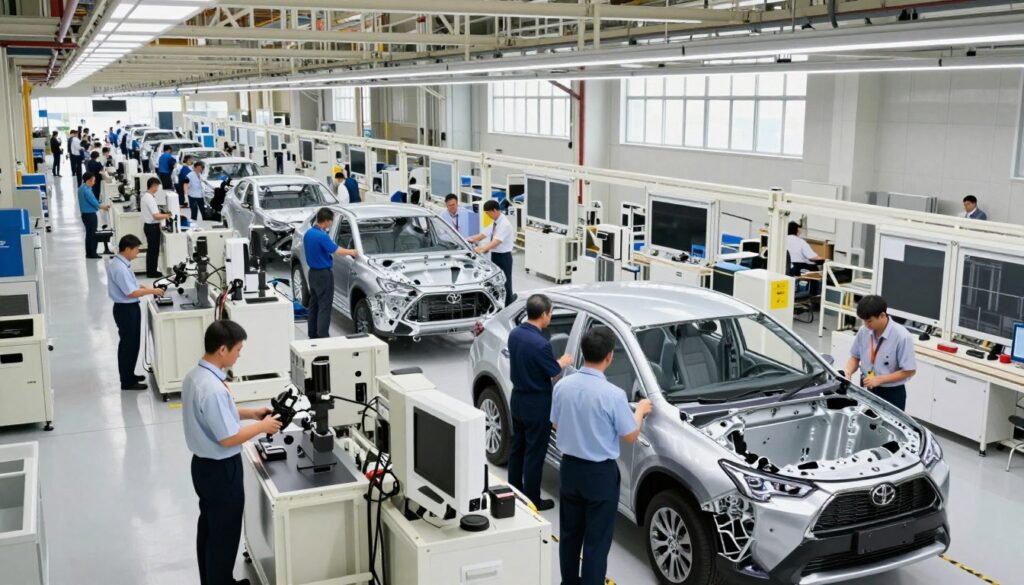
My study of Toyota production shows a strong focus on cutting waste and adding value. The company aims to improve the flow of materials and remove activities that don’t add value. This sets a high standard for automotive manufacturing in the United States.
Principles of Lean Manufacturing
The core idea is continuous improvement, or Kaizen. This philosophy lets every worker spot and fix inefficiencies. It encourages them to suggest ways to improve the factory floor.
Another key idea is reducing waste. This includes getting rid of extra inventory and unnecessary movement. By making these processes smoother, the company uses resources better. This supports making high-quality automotive manufacturing.
Case Studies of Success in the US
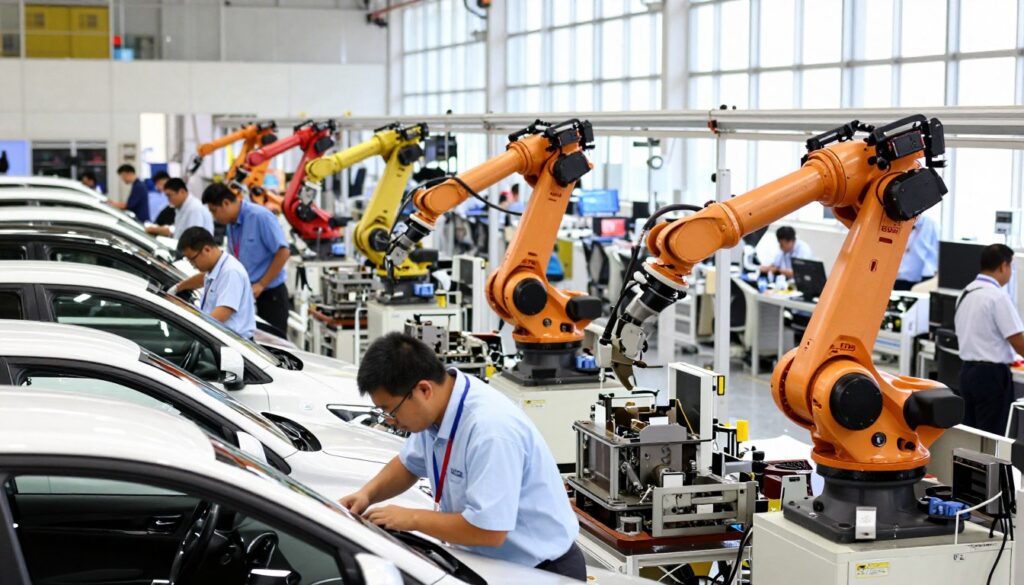
In American plants, using advanced technology has changed car manufacturing for the better. The company uses AGVs and AMRs to move parts around the plant. These robots work with humans to keep production flexible.
This mix allows for quick changes to meet market needs without losing quality. It’s a key part of modern car manufacturing.
| Metric | Traditional System | Lean System |
|---|---|---|
| Inventory Levels | High | Minimal |
| Waste Management | Reactive | Proactive |
| Flexibility | Low | High |
| Quality Control | End-of-line | Built-in |
The numbers show lean systems give a big advantage in the industry. By focusing on efficiency and innovation, Toyota leads in domestic production.
Toyota’s Economic Contributions to the US
I’ve seen how a big automaker changes an American town’s economy. By setting up a Toyota manufacturing plant in different states, Toyota does more than make cars. It helps the local economy grow.
This effort makes sure the Toyota manufacturing process is a big part of the community.

Job Creation and Workforce Development
The main way Toyota boosts the economy is by creating good jobs. When a new plant opens, it brings steady work to thousands of people. These jobs often come with comprehensive training programs to improve the local workforce’s skills.
I think investing in people is key to lasting growth. By focusing on training, Toyota prepares its workers for the future of Toyota vehicle production. This helps them move into advanced roles, ensuring long-term job security.
Local Supply Chain Benefits
Toyota’s impact goes beyond just jobs. Each Toyota manufacturing plant needs many local suppliers, logistics, and service providers. This creates a multiplier effect where one factory job supports many others in the area.
The Toyota manufacturing process aims to use local suppliers whenever it can. This keeps costs down and strengthens the local industry. It makes sure the benefits of Toyota vehicle production reach small businesses and service providers nationwide.
Innovations in Automotive Technology
Looking at today’s cars, it’s clear that new engineering is changing what we want from our vehicles. The growth in automotive manufacturing brings better efficiency and performance. This change makes driving safer and more reliable for everyone.

Development of Hybrid Vehicles
The move to electric powertrains is a big step forward in engineering. By combining engines and electric motors, the company has improved fuel use. This means drivers get both power and eco-friendliness.
Want to see how these changes stack up against others? Check out reviews and buying tips for US cars. These hybrids use energy better, making them key in automotive manufacturing.
Advances in Safety Features
Safety is my main concern when looking at cars, and the latest designs are impressive. Giga-casting is a big deal, making bigger, stronger parts with fewer welds. This makes cars lighter and stronger.
These cars use advanced materials to better handle crashes. This focus on structural integrity gives families and commuters peace of mind. The company is always looking to improve safety in automotive manufacturing.
Environmental Responsibility in Manufacturing
My research shows Toyota is changing how it makes cars. It’s all about cutting down on harm to the environment. The company wants to make the car world cleaner with green initiatives.
Toyota’s Approach to Sustainable Practices
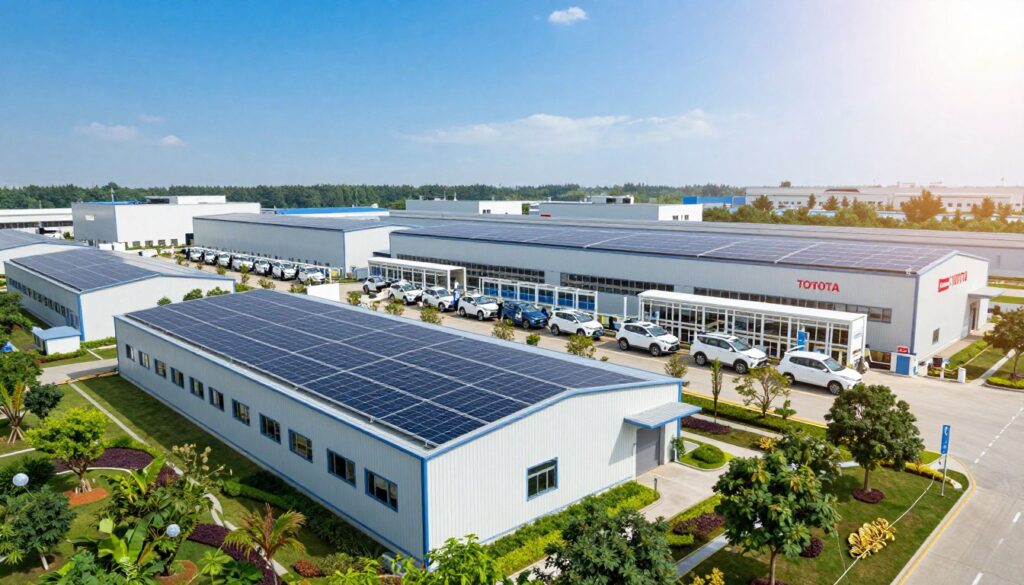
Toyota aims for zero carbon emissions in its factories. Each Toyota manufacturing plant uses smart systems to track energy and water use. This helps keep cars running well, like using affordable Toyota parts.
Reducing waste is key to Toyota’s green plan. It uses recycling to cut down on landfill waste. This systematic approach helps reuse materials, reducing the environmental impact of making cars.
Impact on Carbon Footprint
The results of these changes are clear. Modern Toyota manufacturing plants use solar and wind power. This move helps lower the carbon footprint of every car made.
Setting these standards pushes the whole industry to think about its impact. The table below shows how Toyota has changed from old ways to new, green practices.
| Feature | Traditional Method | Toyota Sustainable Practice |
|---|---|---|
| Energy Source | Fossil Fuels | Renewable Energy Integration |
| Waste Management | Landfill Disposal | Zero-Waste-to-Landfill Goal |
| Water Usage | High Consumption | Closed-Loop Recycling Systems |
| Carbon Output | High Emissions | Carbon Neutrality Focus |
Workforce Diversity and Inclusion
I believe a company’s strength comes from its diverse people and their skills. At Toyota, I’ve seen how important people are for staying ahead in the car industry. The company makes sure everyone feels valued, which brings new ideas to the factory.
Hiring Initiatives and Programs
The focus on inclusive hiring starts with outreach to people from all backgrounds. Toyota works hard to attract talent from local communities. This helps build a team that mirrors the areas where plants are located.
These efforts are more than just filling jobs. They aim to create lasting careers. Diversity helps solve problems by bringing different views to the table. This keeps the team ready to face new challenges.
“The strength of our company is not in the machines we build, but in the people who build them. When we invest in our team members, we invest in our future.”
Training and Development Opportunities
After joining, team members get a chance to grow professionally. I’m impressed by the “crawl, walk, run” training for new workers. It lets them learn the basics before tackling harder tasks.
This systematic development makes sure workers are skilled for precise work. The company offers ongoing learning, helping employees get better every day. This not only boosts their confidence but also keeps the brand’s quality high.
Toyota Production System: A Unique Approach
I’ve always been impressed by the Toyota production system. It changed how the world makes things. It’s not just rules; it’s a way of thinking called monozukuri is hitozukuri. This means making things is about caring for people.
Toyota puts people first, focusing on making skilled workers. This ensures quality is always top-notch. It’s a way of working that’s hard to copy.

Just-In-Time Manufacturing Explained
The Toyota manufacturing process uses Just-In-Time (JIT) method. It makes sure parts arrive just when needed. This cuts down on waste and saves money on inventory.
To make this work better, engineers use digital twin technology. They create virtual factories to test and improve before making real changes. This innovative foresight boosts productivity and keeps things running smoothly.
How TPS Influences Other Automakers
The Toyota production system is now the top standard for making things. Many other companies have adopted its lean ways to get better and more efficient.
The Toyota manufacturing process is all about lasting success. It teaches others to invest in their people, not just machines. This focus on people is changing the car industry for the better.
Collaborations with American Companies
I think the future of car manufacturing in the U.S. is bright thanks to Toyota’s work with local leaders. By teaming up with American firms, Toyota creates a space where everyone learns from each other. This teamwork makes the industry stronger and more flexible across the country.
Partnerships and Joint Ventures
My studies show that Toyota often joins forces with others to advance car tech. These partnerships are more than just deals; they share a common goal for the future of driving. By working together, Toyota and American companies speed up the creation of new technologies that help everyone.
These partnerships focus on key areas like battery making and software. By combining their skills, both sides get access to knowledge they couldn’t get alone. This teamwork is key to making cars better today.
Strengthening Local Economies
These partnerships do more than just help cars get made. They also help local economies grow and stay strong. This way, the good from car manufacturing spreads to communities all over the U.S.
I’ve seen how these connections help a lot of suppliers and service providers. When companies work together, they build a stronger system that can handle changes. These partnerships are the base for lasting economic growth and new ideas in American cars.
Toyota’s Role in the EV Revolution
Toyota is making big changes to lead in the electric vehicle world. The company is moving to make cars that are better for our planet. This change goes beyond just new engines; it’s about a whole new way of making cars.
Investments in Electric Vehicle Technology
Toyota is spending a lot on new battery tech. They’re working on solid-state batteries for better range and faster charging. These updates are key for electric cars to succeed.
Toyota is also making cars easier to build. This means they can change their cars faster to meet what people want. You can find out more about their battery work at their latest updates.
Future Plans for EV Manufacturing in the US
In the US, Toyota plans to update its factories big time. This is to meet the growing need for electric cars while keeping quality high. It also helps Toyota grow in the American market.
Toyota wants to use these new techs in more cars. This move will keep Toyota at the top of the car industry for a long time. I think these steps will make Toyota a big player in electric cars.
Quality Control and Assurance Practices
Quality is not just a goal at Toyota; it’s the foundation of their production philosophy. True excellence in cars means focusing on precision and reliability at every step.
The Importance of Quality in Manufacturing
The best companies don’t just check for quality at the end. They make it part of every step in the Toyota production cycle. This way, they catch problems early and avoid defects.
“Quality means doing it right when no one is looking.”
This approach ensures every car is safe and performs well. It makes the Toyota manufacturing process a model for the whole industry.
Toyota’s Global Standards
To keep quality the same everywhere, Toyota uses both people and technology. They’ve made traditional skills work with new tech.
This mix brings precision to a new level. Here’s what keeps Toyota’s standards high:
| Pillar | Description | Benefit |
|---|---|---|
| Standardization | Uniform work methods | Reduced variability |
| Digital Monitoring | Real-time data tracking | Instant error detection |
| Continuous Improvement | Kaizen methodology | Long-term efficiency |
These tools help Toyota keep quality the same everywhere. This is why people trust the brand.
The Toyota manufacturing process is a guide for success today and tomorrow. I’m sure it will keep shaping the car world in America.
Local Community Engagement Programs
The Toyota factory does more than just make cars. It’s a big part of the local community. It helps the economy and looks out for its neighbors. This way, the company grows with the area.
Supporting Education and Youth Initiatives
Many programs focus on helping young people. Workshops teach STEM skills to inspire future engineers and makers. These hands-on experiences make learning fun and real.
Toyota also gives out scholarships to high school graduates. This helps build a strong workforce for the future. It gives local youth a chance to succeed in a tough world.
Contributions to Local Charities
The company also gives a lot to non-profits. It’s amazing how they help out with food, housing, and disaster relief. This shows their commitment to the community.
Toyota employees also volunteer a lot. This culture of service makes the community stronger. Here’s what Toyota does to help out:
| Engagement Pillar | Primary Objective | Target Audience |
|---|---|---|
| STEM Education | Promote technical skills | K-12 Students |
| Grant Programs | Support local infrastructure | Non-profit Organizations |
| Volunteerism | Foster community spirit | Local Residents |
| Scholarship Funds | Expand career access | University Students |
The Future of Toyota Manufacturing in the US
I see a bright future for cars in America as companies meet new needs. They mix human skills with new tech to stay ahead. This keeps Toyota strong in the US economy.
Strategic Growth and Investment
A big 1 billion USD investment is going into Toyota’s Kentucky and Indiana. This will help make more electric cars and popular models. It shows Toyota’s plan for the next 10 years.
Adapting to Industry Trends
The future is about making cars that fit local needs. This mix of green and fast cars will shape the future. Toyota’s focus on quality will keep its value high.
Let’s watch how these changes will make our roads better. Your interest helps keep car making in the US moving forward. Share your thoughts on what these changes mean for your next car.
FAQ
How significant is the Toyota Motor Manufacturing Kentucky facility to the brand’s overall industrial scale?
The Kentucky facility is a key part of Toyota manufacturing in the U.S. It covers over nine million square feet. It shows how Toyota has a big presence in America, creating jobs and boosting the economy.
How does the Toyota manufacturing process balance automation with the need for a flexible production environment?
The Toyota manufacturing process uses a smart mix of people and automated logistics. It uses AGVs (Automated Guided Vehicles) and AMRs (Autonomous Mobile Robots). This keeps things efficient and flexible, ready for changing market needs.
What role does giga-casting play in modern Toyota vehicle production?
A: Giga-casting is a game-changer in Toyota vehicle production. It lets Toyota make big parts of the car chassis at once. This makes cars safer and stronger in crashes.
How does the “crawl, walk, run” methodology improve the skills of the workforce at a Toyota manufacturing plant?
At any Toyota manufacturing plant, training is key. The “crawl, walk, run” method helps workers get better at making cars. It builds a culture of always getting better and growing professionally.
Why is the Toyota Production System (TPS) considered the gold standard for automotive manufacturing?
The Toyota Production System (TPS) is top because it blends digital twin technology with old-school skills. It follows a philosophy that values people. This makes Toyota a leader in efficiency and quality worldwide.
What are the economic benefits of having a Toyota factory located within an American community?
A Toyota factory does more than just create jobs. It boosts local economies by building strong domestic supply chains. It also supports education, youth programs, and charities, spreading wealth beyond the factory.
How is Toyota preparing for the future of Toyota production regarding electric vehicles?
Toyota is investing big in electric vehicle (EV) technology. This move shows a big change in Toyota production. It’s getting ready to lead the electric car revolution in the U.S.
How does Toyota ensure consistent quality control across its global car manufacturing operations?
A: Quality control is vital at Toyota. It uses strict global standards and simulation tools. This ensures every car meets high safety and performance standards.

Hi! I’m Moheen Iftikhar, the founder of “CarZenithi.” I’m passionate about cars, modern automotive technology, and everything related to the driving experience. Through expert reviews, practical tips, and the latest industry insights, I aim to keep every car enthusiast informed, inspired, and connected to the world of automobiles.